

Key Takeaways
- Establishing an understanding of what counts as an emergency in writing is the first step in preparing your rental for the unexpected.
- Emergencies in New England include fire, gas, leaks or flooding, loss of essential utilities, security failures, and winter storm damage.
- Build an emergency response plan, communicate clearly with tenants and perform preventative maintenance to cut down on surprises.
It’s a cold January night on the North Shore, and a resident calls to say the heat has gone out. Is it an emergency? How fast must someone respond? Who pays?
At Real Property Management Reliance, we know that for Massachusetts rental owners, emergency maintenance is crucial and can seem daunting. Winter weather, older housing stock and strict rules about habitability can quickly turn a small problem into a big one. A clear framework helps everyone make the right call.
This guide explains what typically counts as an emergency, what doesn’t, and how to set up a plan that protects your property and your residents. It’s general information, not legal advice. Verify current requirements and consult a qualified attorney for legal questions.
Why a Clear Definition Matters
A clear definition of what is considered an emergency sets expectations for everyone, keeps costs in check and ensures that true emergencies get immediate attention.

A written policy also provides documentation. If there is ever a disagreement about whether a problem was reported promptly or handled correctly, a clear policy and a record of the response help establish what happened and when.
What Usually Counts as an Emergency
Emergencies generally involve an immediate threat to health, safety or the structure of the home, or the loss of an essential service. Common examples include:
- Fire or smoke. Call 911 first, then notify the manager.
- Gas odor. Leave the home and call the gas company and emergency services.
- Active water leaks or flooding. Burst pipes and overflowing fixtures cause rapid damage.
- Sewage backup. A health hazard requiring urgent attention.
- No heat in cold weather. In a New England winter, this is a serious safety issue and can lead to frozen pipes.
- No hot water or loss of essential utilities due to equipment failure.
- Electrical hazards. Sparking outlets, burning smells, or exposed wiring.
- Security failures. A broken exterior door, window, or lock that leaves the home unsecured.
- Carbon monoxide alarm activation. Evacuate and call emergency services.
- Storm or structural damage that makes the home unsafe, such as fallen trees or roof damage.
What Usually Doesn’t Count
Many repairs are important but can wait for normal business hours.
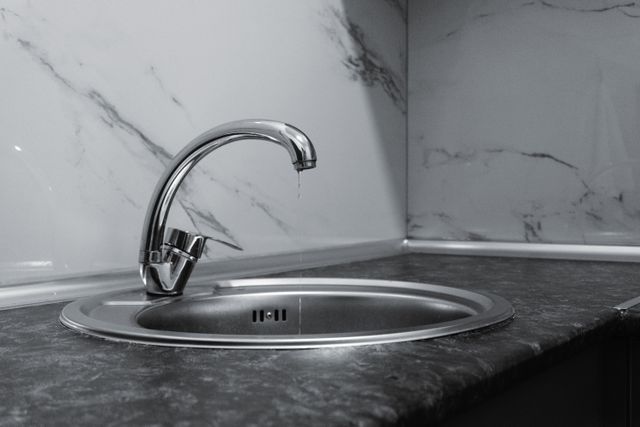
Examples include a dripping faucet, a burned-out bulb, a sticky door, a slow drain, a cosmetic crack or a minor appliance problem. These should be reported and fixed promptly to keep the tenants happy and the home in good condition, but they don’t require a midnight response.
The Gray Areas
Some situations depend on context. A partial heating failure on a mild evening may be tolerable. The same failure during a deep freeze is an emergency.
When the answer is unclear, ask four questions:
- Is anyone at risk?
- Could this quickly cause serious damage?
- Is an essential service lost?
- Can it safely wait until morning?
When in doubt, it’s usually better to treat a situation as urgent and downgrade it once more is known than to delay a necessary, time-sensitive response.
New England Weather Realities
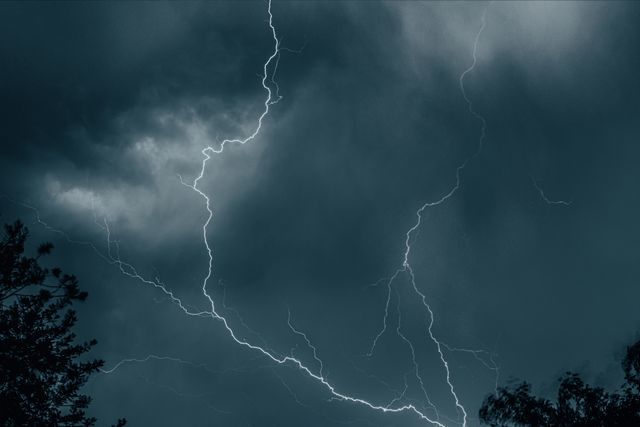
Massachusetts winters are hard on buildings. Freezing temperatures can burst pipes, heavy snow loads can stress roofs, ice dams can force water into ceilings and walls, and coastal storms can cause flooding and wind damage.
In summer, heat waves and thunderstorms bring their own problems. Preparation makes a major difference. Service heating systems before winter, insulate exposed pipes, clear gutters and perform regular inspections.
Also make sure residents know how to find the main water shutoff and what to do if they lose heat.
Build an Emergency Response Plan
A good plan removes guesswork. It should include:
- A written definition of an emergency, given to every resident.
- An after-hours phone number that is always answered.
- Instructions for shutting off water, gas and electricity.
- A list of reliable vendors.
- Pre-approved spending limits so urgent work can begin immediately.
- Documentation steps, including photos, notes and invoices.
- Follow-up to confirm that repairs are complete and prevent a repeat.
Responsibility and Cost
Who pays depends on the cause and the rules. In Massachusetts, landlords are responsible for habitability, and the state sanitary code sets minimum standards that include heat, hot water and working plumbing and electrical systems.
Damage caused by a resident’s misuse or negligence may be treated differently. Keep records of how a problem started, who reported it, what was done and what it cost. Verify the current requirements and consult a qualified attorney if a dispute arises.
Communicating With Residents
Clear communication reduces both risk and stress. At move-in, give residents written instructions explaining what to do and whom to call. Remind them that fires, gas leaks and medical emergencies require 911 first. Respond quickly to every report, even if only to say that help is on the way.

Afterward, follow up to confirm the problem is resolved. Then, owners should review what happened and what could’ve been improved.
Prevention Is the Best Plan
Many emergencies can be avoided. Have the heating system serviced each fall, change filters, test smoke and carbon monoxide alarms, check for leaks under sinks and around appliances, clean gutters and inspect the roof and chimney. Regular inspections let you catch small problems before they become expensive ones. Encourage residents to report minor issues early.
Insurance and Documentation
Review your landlord insurance policy so you know what it covers and how to file a claim. Prompt action to prevent further damage, such as stopping a leak or covering a roof opening, often influences how a claim is handled. Take photos, save invoices and keep a log of every step.
Questions to Ask a Property Manager
When hiring a manager, ask about their services:
- How do you define an emergency?
- Who answers after-hours calls, and how quickly do vendors respond?
- What spending limits apply to emergency repairs?
- How do you report emergencies to owners?
- How do you prepare for winter storms and freezes?
Bottom Line
Emergencies are stressful, but preparation turns panic into process. A clear definition, a written plan and a responsive team protect your property, your residents and your peace of mind.
To learn how Real Property Management Reliance could help you with your rental, reach out to our team today.
Frequently Asked Questions
What Should Owners Know About the Risks of Older Homes in Massachusetts?
Many older North Shore properties have vintage boilers, aging plumbing and uninsulated spaces where pipes are vulnerable. Knowing where those weak points are, and having a plan for them before the first deep freeze, can prevent the most expensive winter emergencies.
Should Owners Handle Preparing a Rental for Emergencies Themselves or Hire a Property Manager?
It depends on your situation. If you’re confident in your property’s condition, keep up with preventative maintenance, have a solid plan with vendors lined up and can respond to emergency calls any time, self-management could work for you. If you aren’t, that’s a sign to hire a manager.
How Can a Property Manager Help With Ensuring Massachusetts Habitability Standards in a Rental?
Since the rules on habitability and landlord duties are detailed, many owners find it valuable to have a professional manager who knows them well and tracks them. Even then, ask how a management company stays current and documents its response to urgent repair requests.
How Does a Clear Maintenance Plan Help With Tenant Retention?
A resident who feels heard is more likely to speak up about necessary repairs, and a small repair completed within business hours costs far less than the same problem discovered after it’s grown into a nighttime emergency. Clear plans protect your property and keep residents happy.
What Should Owners Know About Insurance Coverage for Beverly Area Homes?
Flooding and water damage claims are common after winter storms, so make sure you understand what your policy covers and what it excludes. Ask your insurance agent about coverage for frozen pipes and ice dams and about any conditions, such as maintaining heat in vacant units.
This content is provided for general informational and educational purposes only and does not constitute financial, legal, tax, or investment advice. Readers should consult with licensed professionals regarding their specific circumstances.
We are pledged to the letter and spirit of U.S. policy for the achievement of equal housing opportunity throughout the Nation. See Equal Housing Opportunity Statement for more information.
